 메뉴 보기
메뉴 보기


오바마의 기부행위에는 몇 가지 흥미로운 점이 있다. 즉 시민들이 자선단체에 기부하는 돈의 액수와 투자 유형을 통해서 자신의 세율을 결정할 방법을 잘 보여준다.
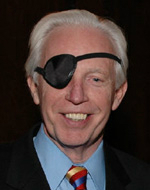 |
| 리처드 란 美 세계경제성장연구소 총재 |
필자는 그 이유를 다음과 같이 생각한다. 대다수 미국 시민은 민간 자선기관들과 여타 세금 면제를 받는 단체들이 시민의 돈을 정부보다 더욱 현명하고 신중하게 지출한다고 암암리에 믿기 때문이다.
연방정부는 국내총생산의 대략 24%를 지출한다. 지출의 대부분은 사회보장, 노인건강보험, 저소득층 의료비 지원 및 여타 정부 복지사업에 들어간다. 정부가 재량권을 행사하는 지출은 국내총생산의 대략 9%이며, 이 가운데 약 절반이 국방비로 사용된다.
1930년까지 연방정부는 남북전쟁과 1차 대전 기간을 제외하고 매년 국내총생산의 4% 미만을 예산으로 지출했다. 헌법이 연방정부에 허용한 돈 쓸 일은 아주 적었다. 그중 큰 항목이 ‘공동방위’였다. 또한 1930년까지 연방정부는 주로 헌법의 제약 안에서 활동하도록 법적으로 강요당했다. 공화국 출범 후 140년 동안 국방비를 뺀 연방정부의 예산은 국내총생산의 2∼3%였다. 이 모든 것은 현재 연방정부 예산의 대략 4분의 3이 헌법에 위배되거나 헌법상 불필요하다는 것을 의미한다. 여기서 다음과 같은 의문이 제기된다. 정부가 시민을 위해서 한다고 주장하는 사업을 보다 효과적으로 시행하되 그로 인한 손해를 줄이는 방법은 없을까.
물론 방법이 있다. 여러 싱크탱크와 연구기관은 거의 모든 일을 민간부문이 공공부문보다 더 잘 할 수 있다는 것을 보여 주는 연구논문과 서적을 다수 발표했다.
이제 버핏의 백만장자 누진부가세를 검토해보자. 정부의 공식 회계기관인 미 의회예산국조차도 이 세금을 통한 세수 증대가 미미할 것으로 예상한다. 민간 세금학자들은 버핏세가 세수 증대에 실패할 것이란 점을 발견했다.
그래서 대통령과 지지자들은 자기네 주장을 ‘공정성’과 소득분배 불균형 축소로 돌리고 있다. 그들은 30% 혹은 다른 수치가 ‘공정한’ 이유를 설명하려 하지 않는다. 더욱 열심히 일하고 사회적 기여를 더 많이 하는 사람들에게 더 높은 세율을 적용해야 하는 이유 또한 그들은 설명하려 하지 않는다.
버핏세를 제안한 의회의 부자 의원들은 자기네 소득의 큰 부분을, 세금이 면제되는 주 및 지방 공채와 신탁기금에서 얻는다. 또한 의원들은 기업활동을 제한받는다.
따라서 의원들은 기업인들에 대한 세금 인상을 결정해 왔다. 그런 경우에 해당되는 자본이득세는 이미 부자가 된 사람들에게 물리는 세금이 아니라 부자가 되기 위해 노력하는 사람들에게 물리는 세금이다.
비교적 가난한 대학생 등 대다수 시민들은 아직 젊지만 생산성과 경험이 커질수록 소득의 사다리에서 위로 점점 올라간다. 자본이득세율과 한계세율을 올림으로써 정부는 시민들이 소득의 사다리를 올라가는 것을 더 어렵게 만든다. 이는 다시 소득의 계층 상승을 줄인다.
이상의 사실에 비추어볼 때, 버핏세를 지지하는 사람들은 경제적으로 무지하거나, 유권자들이 어리석어 그들의 파괴적인 장난을 알아차리지 못할 것으로 믿는 사람들이다.
리처드 란 美 세계경제성장연구소 총재
워싱턴 타임스·정리=오성환 외신전문위원
Buffett rule's deceitful consequences
By Richard Rahn
Do you think it is more important to have a tax policy that raises the most revenue at the least cost in order to maximize job growth and economic opportunity or to have a tax policy like the Buffett rule, which falsely claims it would make all millionaires pay a higher tax rate than their secretaries?
President Obama released his tax return last week, showing he had an effective rate of a little more than 20 percent of his income, even though he is rich by his own definition. One of major ways the Obamas were able to reduce their tax rate was by giving away 22 percent of their income to charity, which I applaud. But their actions raise several interesting points. The president's actions illustrate how people have the ability largely to determine their own tax rate both by the amount of money they choose to give away and the types of investments they choose to make.
When we donate money to a charity, church or some other worthy cause, we are allowed a tax deduction, which means the government gets less of our money. The president and many in his party keep telling us that the government needs more money, but if they believe this, why are they taking charitable deductions? I expect the reason is that most of us implicitly believe (for good empirical reasons) that private charities and other tax-exempt groups spend our money more wisely and carefully than the government.
Do a thought experiment. Assume rather than just being able to take a tax deduction for your contributions to qualified nonprofit organizations, you could take a tax credit. That is, you would get a dollar deduction in your income tax liability for each dollar you chose to give away. Assume you make $50,000 a year and after you calculate your tax liability you find you owe $10,000, or 20 percent. But then you have the choice of paying some or all of it to the government or some or all of it to nonprofit organizations. How much would you send to the government and how much to nongovernmental organizations? How much do you think your friends and family would send to organizations other than the government?
The federal government is spending about 24 percent of gross domestic product (GDP). Most of it goes for Social Security, Medicare, Medicaid and other entitlement programs. The "discretionary" portion of the budget equals about 9 percent of GDP, with about half going for defense. Until 1930, the federal government normally spent less than 4 percent of GDP, except for the periods during World War I and the Civil War. The Constitution gives the federal government very few tasks for which it is required to spend money - the big item being the "common defense." Again, up until 1930, the courts forced the federal government to live largely within the confines of the Constitution. Deducting defense spending from the federal budgets before 1930 shows that the federal government lived perfectly well on 2 percent to 3 percent of GDP for the first 140 years of the republic.
What all of this means is that approximately three-quarters of all federal government spending is not required by - and often is contrary to - the Constitution. So we should be asking ourselves: Are there any better and less damaging ways to accomplish what government is claiming to do for us? The answer, of course, is yes. Think tanks and others have produced many serious documents and books about how the private sector can do almost everything better than the public sector.
All of which gets us back to the Buffett millionaires' surtax. Even the official government scorekeeper, the Congressional Budget Office, says the tax would only bring in a minuscule amount of revenue. Also, private tax economists, using dynamic models rather than government models that fail to account for all the changes in behavior, find the tax would be a big revenue loser. So the president and his allies have largely switched their argument to one of "fairness" and reducing the disparity in income distribution. They are never willing to define why 30 percent or any other number is "fair," nor are they able to explain why people who work harder and contribute more should be taxed at a higher rate.
Even if the Buffett tax ever passes, it was crafted by members of Congress to hit few of their own. Very rich members of Congress, such as Sens. John F. Kerry and John D. Rockefeller IV, receive much of their income from tax-exempt state and local bonds and from trust funds, which largely avoid the tax. Members of Congress generally are restricted from entrepreneurial activities. So, of course, they have decided to increase the tax on entrepreneurs - the capital gains tax - which is a tax on becoming rich, not a tax on being rich.
Most people, such as students, are relatively poor by government methodology when they are young but rise through the income ranks as they become more productive and experienced and then fall in relative income as they near and enter retirement, even though they may have considerable net wealth. By increasing the tax on capital gains and marginal rates, the government makes it more difficult to move into higher income brackets, thus actually reducing income-class mobility.
Those who support the Buffett millionaires' surtax as written reveal themselves either to be economically ignorant or to believe the voters are fools who will not see through their destructive games.
surtax:누진부가세, 소득세부가세 discretionary:자유재량의, 임의로 결정할 수 있는
By Richard Rahn
Do you think it is more important to have a tax policy that raises the most revenue at the least cost in order to maximize job growth and economic opportunity or to have a tax policy like the Buffett rule, which falsely claims it would make all millionaires pay a higher tax rate than their secretaries?
President Obama released his tax return last week, showing he had an effective rate of a little more than 20 percent of his income, even though he is rich by his own definition. One of major ways the Obamas were able to reduce their tax rate was by giving away 22 percent of their income to charity, which I applaud. But their actions raise several interesting points. The president's actions illustrate how people have the ability largely to determine their own tax rate both by the amount of money they choose to give away and the types of investments they choose to make.
When we donate money to a charity, church or some other worthy cause, we are allowed a tax deduction, which means the government gets less of our money. The president and many in his party keep telling us that the government needs more money, but if they believe this, why are they taking charitable deductions? I expect the reason is that most of us implicitly believe (for good empirical reasons) that private charities and other tax-exempt groups spend our money more wisely and carefully than the government.
Do a thought experiment. Assume rather than just being able to take a tax deduction for your contributions to qualified nonprofit organizations, you could take a tax credit. That is, you would get a dollar deduction in your income tax liability for each dollar you chose to give away. Assume you make $50,000 a year and after you calculate your tax liability you find you owe $10,000, or 20 percent. But then you have the choice of paying some or all of it to the government or some or all of it to nonprofit organizations. How much would you send to the government and how much to nongovernmental organizations? How much do you think your friends and family would send to organizations other than the government?
The federal government is spending about 24 percent of gross domestic product (GDP). Most of it goes for Social Security, Medicare, Medicaid and other entitlement programs. The "discretionary" portion of the budget equals about 9 percent of GDP, with about half going for defense. Until 1930, the federal government normally spent less than 4 percent of GDP, except for the periods during World War I and the Civil War. The Constitution gives the federal government very few tasks for which it is required to spend money - the big item being the "common defense." Again, up until 1930, the courts forced the federal government to live largely within the confines of the Constitution. Deducting defense spending from the federal budgets before 1930 shows that the federal government lived perfectly well on 2 percent to 3 percent of GDP for the first 140 years of the republic.
What all of this means is that approximately three-quarters of all federal government spending is not required by - and often is contrary to - the Constitution. So we should be asking ourselves: Are there any better and less damaging ways to accomplish what government is claiming to do for us? The answer, of course, is yes. Think tanks and others have produced many serious documents and books about how the private sector can do almost everything better than the public sector.
All of which gets us back to the Buffett millionaires' surtax. Even the official government scorekeeper, the Congressional Budget Office, says the tax would only bring in a minuscule amount of revenue. Also, private tax economists, using dynamic models rather than government models that fail to account for all the changes in behavior, find the tax would be a big revenue loser. So the president and his allies have largely switched their argument to one of "fairness" and reducing the disparity in income distribution. They are never willing to define why 30 percent or any other number is "fair," nor are they able to explain why people who work harder and contribute more should be taxed at a higher rate.
Even if the Buffett tax ever passes, it was crafted by members of Congress to hit few of their own. Very rich members of Congress, such as Sens. John F. Kerry and John D. Rockefeller IV, receive much of their income from tax-exempt state and local bonds and from trust funds, which largely avoid the tax. Members of Congress generally are restricted from entrepreneurial activities. So, of course, they have decided to increase the tax on entrepreneurs - the capital gains tax - which is a tax on becoming rich, not a tax on being rich.
Most people, such as students, are relatively poor by government methodology when they are young but rise through the income ranks as they become more productive and experienced and then fall in relative income as they near and enter retirement, even though they may have considerable net wealth. By increasing the tax on capital gains and marginal rates, the government makes it more difficult to move into higher income brackets, thus actually reducing income-class mobility.
Those who support the Buffett millionaires' surtax as written reveal themselves either to be economically ignorant or to believe the voters are fools who will not see through their destructive games.
surtax:누진부가세, 소득세부가세 discretionary:자유재량의, 임의로 결정할 수 있는

